While regular potatoes get all the love (hello, french fries), sweet potatoes quietly sit in the background delivering more nutrition per bite than most people realize. These vibrant, earthy tubers aren’t just a Thanksgiving side dish — they’re one of nature’s most nutrient-dense, naturally sweet vegetables.
Let’s give sweet potatoes the spotlight they deserve.
Here are some beautiful, freshly harvested sweet potatoes in all their glory:
(Imagine a gorgeous spread of orange, purple, and white varieties — deep orange flesh glowing when cut open, purple ones looking almost jewel-like.)
Sweet Potato Nutrition at a Glance
One medium sweet potato (about 150–180g, baked with skin) packs an impressive nutrient profile for roughly 130 calories:
- Vitamin A (from beta-carotene) → 400–700% of daily needs
- Vitamin C → ~30–40% DV
- Manganese → ~25–30% DV
- Copper → ~20–25% DV
- Fiber → 6–7 grams
- Potassium → ~15% DV
- Very good amounts of vitamin B6, vitamin E, and several antioxidants
The star nutrient? That sky-high beta-carotene content — your body converts it to vitamin A as needed, and sweet potatoes often outshine carrots in this department.
Top Evidence-Based Health Benefits
- Eye Health & Immune Support The massive dose of beta-carotene makes sweet potatoes one of the best plant sources for maintaining healthy vision and supporting immune function. Regular intake is linked to lower risk of age-related macular degeneration.
- Blood Sugar Regulation (Surprisingly!) Despite their sweetness, sweet potatoes have a moderate glycemic index (especially when boiled or eaten with skin). Their fiber, antioxidants, and resistant starch help slow sugar absorption — making them a better choice than white potatoes for blood sugar management.
- Gut Health & Regularity The combination of soluble and insoluble fiber (plus resistant starch when cooled after cooking) feeds beneficial gut bacteria and promotes healthy digestion.
- Powerful Antioxidant Protection Purple and orange varieties are particularly rich in anthocyanins, chlorogenic acid, and other polyphenols. These compounds help combat oxidative stress and chronic inflammation.
- Heart & Brain Benefits Potassium supports blood pressure regulation, while the B vitamins and antioxidants contribute to overall cardiovascular and cognitive health.
Sweet Potato Varieties: More Than Just Orange
- Classic Orange — highest beta-carotene, most common
- Purple — loaded with anthocyanins (the same family as blueberries)
- White/Yellow (Japanese types) → milder sweetness, fluffier texture
- Red-skinned varieties — often have deep orange flesh too
The more colorful the flesh, the higher the antioxidant content tends to be.
Delicious & Healthy Ways to Enjoy Sweet Potatoes
- Baked whole with skin on — maximum fiber and nutrients
- Roasted wedges with olive oil, rosemary, and a pinch of smoked paprika
- Mashed with a touch of cinnamon and nutmeg (holiday vibes year-round)
- Spiralized into noodles for a low-carb pasta alternative
- Loaded — black beans, avocado, salsa, Greek yogurt, or tahini drizzle
And yes — healthy sweet potato fries are 100% worth making at home:
(Think crispy edges, bright orange color, sprinkled with sea salt and maybe a little chili powder — the perfect guilt-free fry.)
Quick Comparison: Sweet Potato vs. Regular Potato
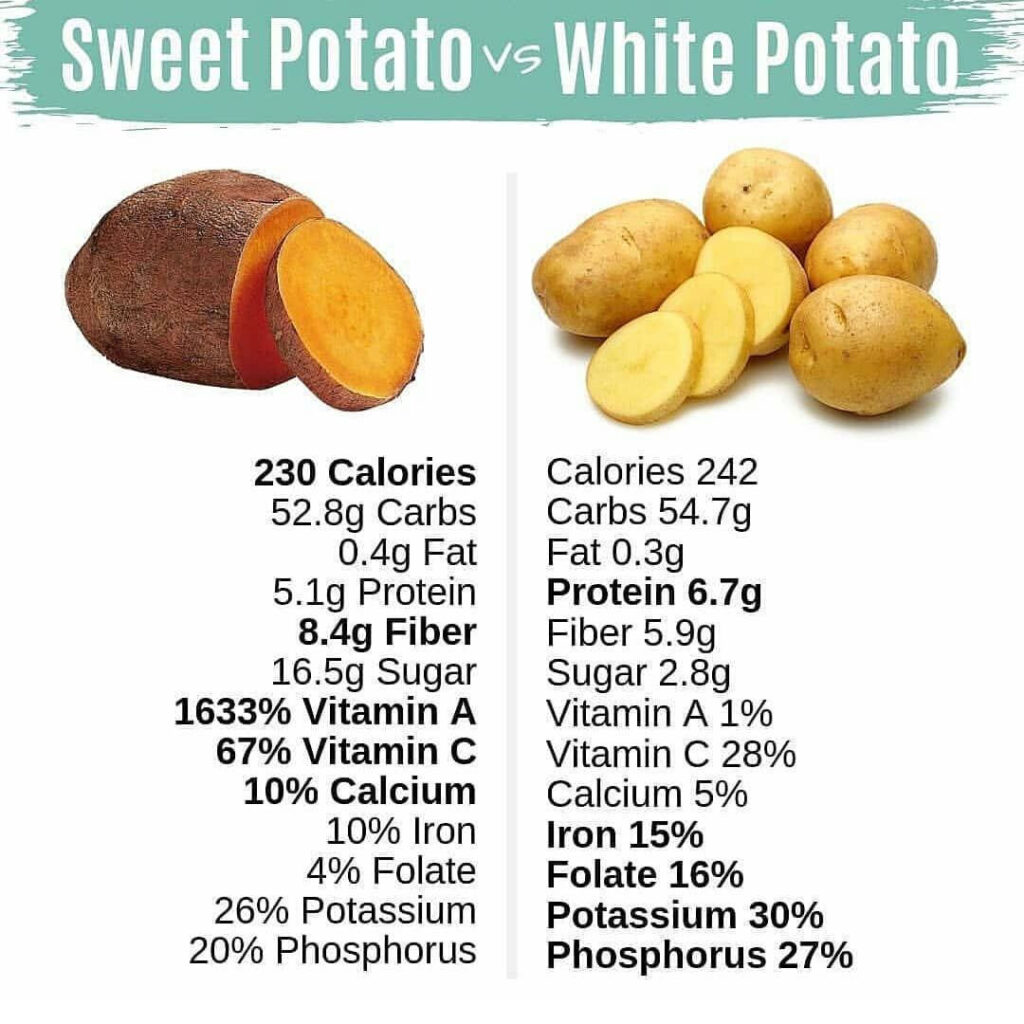
Not a competition — both are great — but sweet potatoes bring dramatically more micronutrients to the table.
The Bottom Line
Sweet potatoes are affordable, shelf-stable, incredibly versatile, naturally sweet, and genuinely one of the most nutrient-dense starchy vegetables you can eat. Whether you choose the vivid orange classics or the striking purple varieties, you’re getting serious health benefits in every bite.
So next time you’re at the grocery store, skip the white potatoes for a moment and grab a couple of these colorful gems instead. Your eyes, immune system, gut, and taste buds will thank you.
What’s your favorite way to eat sweet potatoes?